Basic HTML Version



The program should teach you how to change perma-
nently those eating habits and lifestyle factors, such
as lack of physical activity, that have contributed to
weight gain.
●
●
Does the staff include qualified counselors and health
professionals, such as registered dietitians, physicians,
nurses, psychologists and exercise physiologists? Each
of these medical professionals plays an important role
in the success of weight loss and lifestyle change.
●
●
Is training available on how to deal with times when
you may feel stressed and slip back to old habits? The
program should provide long-term strategies to deal
with weight problems you might have in the future.
These strategies might include things like setting up
a support system and establishing a physical activity
routine.
●
●
Is attention paid to keeping weight off? How long is
this phase? Choose a program that teaches skills and
techniques to make permanent changes in eating habits
and levels of physical activity to prevent weight gain.
●
●
Are food choices flexible and suitable? Are weight
goals set by the client and the health professional? The
program should consider your food likes and dislikes
and your lifestyle when your weight-loss goals are
planned.
By talking with your primary physician and a reg-
istered dietitian, you will have help guiding you to the
plan or program that works best for you.
For more information, go to
www.dchsystem
.com
and turn to the list of departments at the DCH
hospitals to locate nutritional services.
NEWS FLASH:
We’re not all alike
in any way, including how we
lose weight and what might have
triggered our weight gain in the
first place.
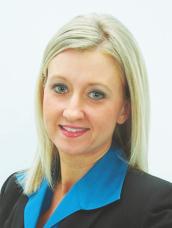
“As a practicing dietitian, I
often receive phone calls from
patients and community mem-
bers asking me to just mail them
a diet,” said Cherie Simpson, MS,
RD, LD, Clinical Dietitian Coor-
dinator at DCH Regional Medical
Center.
“My response is always the same,” she said. “Individu-
als are unique in their needs for calories and nutrients,
and their daily diet should reflect their personal needs.
For example, I would not feed a 65-year-old female with
diabetes the same as I would a 23-year-old male athlete.
We are all unique creatures with the same foundation,
but with variations in our structure and contents.”
FIRST STEP IN THE WEIGHT-LOSS JOURNEY
Ms. Simpson asks people who are interested in dieting
where their journey began or what has caused them to
want to lose weight.
“It typically starts with a major event, such as a wed-
ding, a reunion or a major health scare to convince them
that it is time to make a change,” she explained.
It is always important to involve your physician in
your decision to pursue a weight-loss program. Physi-
cians often want to evaluate factors that could contribute
to weight gain or chronic diseases. It is also common
to measure any changes in your weight, blood pressure
and other lab work that could result from changes in
diet and lifestyle.
THINGS TO THINK ABOUT
There are many important
things to consider when you’re choosing a weight-loss or
wellness program.
What is my lifestyle?
For individuals who have a
very busy lifestyle, it may not be practical to choose a
program that involves a great deal of shopping or food
preparation.
Take a look at what will best work for you.
●
●
Do you have time for shopping and preparing meals?
●
●
Would prepackaged meals better meet your busy
schedule?
●
●
Do you need the flexibility to eat out and dine with
family and friends?
●
●
Are you self-disciplined, or do you need the support
of others?
What has caused me to gain weight—or to develop
unhealthy eating habits?
Food is more than just nourish-
ment, Ms. Simpson said. “We often eat if we are stressed,
depressed or bored—and also often are persuaded by
others around us to eat as part of socialization or cel-
ebration,” she said.
PICK WHAT’S RIGHT FOR YOU
There are a variety
of weight-loss programs available, and finding the one
that is medically sound and meets your needs is a real
challenge. Here are a few guidelines.
●
●
Does the program include counseling to help you
change your eating activity and personal habits?
Talk to your primary care provider and
a registered dietitian to find a weight-
loss program that’s tailored to you.
WEIGHT-LOSS PROGRAMS
IT’S NOT ‘ONE SIZE FITS ALL’
Cherie Simpson,
MS, RD, LD
W I N T E R 2 0 1 2
3
H E A L T H Y C O M M U N I T Y
W
e i g h t
L
o s s