
F
e a t u r e
Statistics released this summer ranked the state
of Alabama as having the highest incidence of
diabetes; 12 percent of its population has dia-
betes. In Tuscaloosa County, 11 percent of the
population has diabetes. Nationally, 8 percent of
the population has diabetes.
“The DCH Diabetes Center is ready to give
anyone with diabetes the information they need
to manage this disease,” said DCH Diabetes
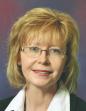
Center Manager Debrah Fisher, RN, MSN.
Diabetes is associated with long-term com-
plications that affect almost every part of the
body. The disease often leads to blindness, heart
and blood vessel disease, stroke, kidney failure,
amputations, and nerve damage. Uncontrolled
diabetes can complicate pregnancy, and birth
defects are more common in babies born to
women with diabetes.
The DCH Diabetes Center provides educa-
tion and training from nurses and dietitians in
self-management skills for people with diabetes.
These skills include controlling blood sugar, pre-
venting or delaying diabetes complications, and
improving self-care.
“Through our Diabetes Lifestyle class series,
we can teach people with diabetes how to use
the tools of self-management to manage their
diabetes,” Mrs. Fisher said.
“Diabetes Lifestyle” classes are taught sev-
eral days a week at three different times.
“New Diagnosis of Diabetes,” “Problem to
Manage Your Diabetes,”
“Gestational Diabetes”
and “Insulin Start”
classes are offered
Monday through Friday
in the morning, afternoon
or evening. Most insur-
ance plans cover the
classes.
“Increased Risk”
(prediabetes) classes
teach prevention and/or how to delay the onset
of diabetes. However, insurance doesn’t cover
this preventive class; the cost of the two-hour
class is $50.
“All you need is your physician to refer you to
the DCH Diabetes Center for education to learn
the tools and the skills to manage your diabe-
tes,” Mrs. Fisher said. “Education is the key to
maintaining good health. The more you under-
stand about your diabetes, the better you will be
able to manage your diabetes to have the best
health you can.”
The DCH Diabetes Center is the only Ameri-
can Diabetes Association-certifed diabetes
education center in West Alabama.
To begin taking control of your diabetes,
ask your physician to refer you to the DCH
Diabetes Center. For more information, call
205-750-5260. Or visit our website at
www.dchsystem.com/diabetes.
If you’ve just learned you have type 2 diabetes,
it’s normal to have mixed emotions. You may feel angry
about having the disease. You may feel relieved to have a
diagnosis—and a plan. You might also think, “Why me?”
Te disease results from a complicated interplay between genetics
and lifestyle. Scientists don’t fully understand why some people get it and
others don’t. But they do know that there are ways to reduce the risk for
the serious complications associated with diabetes.
So, now that diabetes has been diagnosed, it’s time to look forward.
Ask yourself: What can I do now to control this disease? According to
the American Diabetes Association, you should:
Create a meal plan—and stick to it.
Your doctor or dietitian will
help you adjust your diet to meet your blood sugar (glucose) goals. You
can probably expect to:
●
●
Count carbohydrates, which raise blood sugar the most.
●
●
Eat less salt and saturated fats.
●
●
Get more fber, which can be found in fruits, vegetables, beans and
whole grains.
Exercise most days of the week.
Physical activity helps keep your
blood sugar and blood pressure under control—and it even helps insu-
lin work better. If you’re not in the habit of being active, start small and
spread your exercise out over the day. You could:
●
●
Walk around when you’re on the phone.
●
●
Park your car a block or two away and walk the rest of the way to
your destination.
●
●
Take the stairs instead of the elevator or escalator.
●
●
Do some gardening or yard work.
●
●
Try to work up to at least 30 minutes of aerobic activity a day, fve
days a week. And aim to do some strength training and stretching too.
Work with your doctor to create an exercise plan that suits you.
Know your blood glucose level.
Medications, a healthy diet and regu-
lar exercise can help control your blood sugar. But you need feedback
to make sure these interventions are working. Tat’s why it’s important
to monitor your blood sugar as directed by your doctor.
He or she will help you determine your target glucose level and how
ofen you should check it with your home glucose monitor. Many people
test several times a day. Record the results to share with your doctor.
You should also have an A1C test at least twice a year. It tests average
blood glucose levels over time.
Managing blood sugar isn’t always easy—but it’s worth it. If you stick
with it, you’ll have more energy, feel less tired and avoid many of the
health problems associated with uncontrolled diabetes.
Diabetes education classes
can help you live well with the
disease. To sign up for a class,
give us a call at 205-750-5260.
START HERE
Learn to manage your diabetes
DIABETES
JUST
DIAGNOSED?
Debrah Fisher,
RN, MSN
F A L L 2 0 1 1
0
H E A L T H Y C O M M U N I T Y